Searching for CNLawBlog.com can create confusion because the name sounds like a specialized legal resource, but the website’s current identity is broader than a traditional law publication.
CNLawBlog.com is an online informational platform that publishes content across multiple categories, including law, technology, business, finance, education, health, lifestyle, and other general-interest subjects.
The important question is not only “What is CNLawBlog?” but also “How should readers use information from a multi-topic website?”
This guide explains what CNLawBlog.com appears to be, what type of content it provides, how readers can evaluate its usefulness, and what limitations to consider when researching important topics.
What Is CNLawBlog.com?
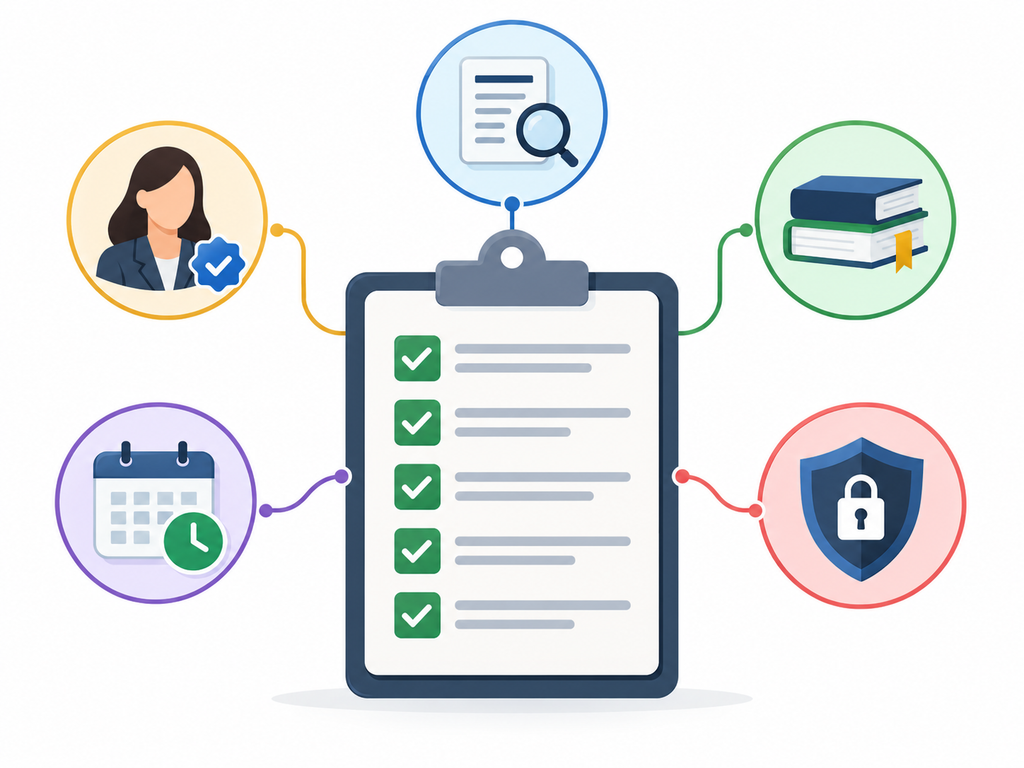
CNLawBlog.com is an independent digital publication that provides educational and informational articles across different subject areas. Although the name includes “LawBlog,” the website is not limited to legal topics. Its published content extends into areas such as technology, finance, business, education, and lifestyle.
This type of website follows a broad publishing model rather than operating as a single-purpose professional database.
For example, a reader may find articles explaining:
- General technology concepts
- Business topics
- Financial ideas
- Legal information
- Digital trends
- Consumer-focused guides
The broad approach can be useful for readers who want simple explanations before exploring more specialized sources.
However, a multi-topic website should be evaluated differently from an official institution, government database, academic journal, or professional service provider.
Why Does the Name Create Confusion?
The term “CNLawBlog” can create assumptions because the letters “CN” may lead some users to believe it refers specifically to China-related law.
However, the available information does not establish that CNLawBlog.com is a Chinese government resource, law firm, or official legal authority. The website should be identified by its exact domain rather than by the name alone.
There is also a separate publication called China Law Blog associated with Harris Sliwoski that focuses on China-related legal and business matters. It is a different publication and should not automatically be considered the same website.
When researching online resources, checking the full URL is one of the simplest ways to avoid confusion.
What Type of Content Does CNLawBlog Publish?
CNLawBlog.com follows a broad educational publishing approach.
Legal Information
Legal content may help readers understand basic concepts, terminology, and general issues.
Examples include:
- Understanding legal processes
- Learning basic rights and responsibilities
- Exploring business-related legal topics
However, general legal articles should not replace advice from qualified professionals when a specific legal decision is involved.
Technology Topics
Technology articles help readers understand digital trends and tools.
Possible topics include:
- Artificial intelligence
- Online platforms
- Digital services
- Internet-related concepts
Technology information changes quickly, so readers should check publication dates and confirm important details using official documentation.
Business and Finance Topics
Business and finance content can help readers understand concepts such as:
- Online business practices
- Financial terminology
- Market-related topics
Readers should be careful when making financial decisions because general educational articles are different from professional financial advice.
Lifestyle and General Guides
Many modern information websites also publish practical guides covering everyday topics.
These articles may be useful for awareness, but readers should still evaluate the quality of sources and evidence.
How Should Readers Evaluate CNLawBlog Content?
A useful online article is not determined only by the website name. Readers should examine several factors.
1. Check the Author Information
Author transparency is an important quality signal.
Look for:
- Author name
- Relevant background
- Updated information
- Editorial responsibility
A topic requiring expertise should ideally come from someone with appropriate knowledge or reference reliable sources.
2. Review Sources and Evidence
High-quality educational content usually explains where information comes from.
Strong articles often include:
- Official documentation
- Government resources
- Research papers
- Industry references
- Expert sources
For technology topics, official product documentation is often the most reliable source for features, limitations, and instructions.
3. Consider the Article Purpose
Not every article has the same goal.
A beginner guide may explain concepts simply.
A professional reference article may require deeper technical accuracy.
A reader should understand whether an article is designed for:
- Basic education
- General awareness
- Professional decision-making
- Product comparison
Practical Ways to Use CNLawBlog

CNLawBlog can be useful when used as a starting point for learning.
Example 1: Learning a New Technology Topic
A beginner may read a technology explanation to understand:
- What a tool does
- Why people use it
- Common terminology
After that, the reader can verify details through official documentation.
Example 2: Understanding a Business Concept
A small business owner may use general articles to understand a topic before consulting professional resources.
Example 3: Building General Knowledge
Students and casual readers can use educational articles to develop background knowledge before deeper research.
Benefits of Using Multi-Topic Educational Websites
Simple Explanations
One advantage of educational websites is accessibility.
Complex topics can often be easier to understand when explained in plain language.
Broad Topic Coverage
Readers can explore different subjects from one platform.
This is useful when researching connected topics such as:
- Technology and business
- Digital tools and education
- Online services and privacy
Beginner-Friendly Learning
People who are unfamiliar with a subject can use introductory articles as a first step.
Limitations Readers Should Understand
A responsible reader should also recognize limitations.
Not an Official Authority
A general information website should not automatically be treated as an official source.
For example:
- Legal requirements should be checked with official legal sources.
- Software features should be confirmed through official product documentation.
- Financial decisions should involve appropriate professional guidance.
Information Can Become Outdated
Technology, laws, and online services change frequently.
An article published several years ago may no longer reflect current conditions.
Readers should check:
- Publication date
- Update date
- Current official information
Broad Coverage Means Different Expertise Levels
A website covering many categories may not have the same level of specialization as a dedicated professional publication.
A technology article, legal explanation, or financial guide should be evaluated based on its evidence and accuracy rather than only the website brand.
CNLawBlog.com vs Specialized Sources
The best approach is usually combining educational content with authoritative sources.
| Need | Better Source Type |
|---|---|
| Basic explanation | Educational articles |
| Software instructions | Official documentation |
| Legal decisions | Qualified legal professionals and official authorities |
| Financial decisions | Professional financial resources |
| Technical research | Developer documentation and research publications |
This approach helps readers gain understanding while reducing the risk of relying on incomplete information.
Common Questions About CNLawBlog

Is CNLawBlog.com a law firm?
Available information does not establish CNLawBlog.com as a law firm or official legal organization. It is presented as an independent informational publication.
Is CNLawBlog only about law?
No. The website covers multiple categories beyond law, including technology, business, finance, education, and other topics.
Should readers trust every article?
Readers should evaluate individual articles based on:
- Sources
- Author information
- Accuracy
- Topic expertise
- Recency
No multi-topic website should replace official or professional sources for high-impact decisions.
Why is checking the domain important?
Similar names can refer to different websites. Confirming the exact domain helps users identify the correct publication and avoid mixing unrelated sources.
Conclusion
CNLawBlog.com is best understood as a broad informational website rather than a single-purpose legal authority. It provides educational content across multiple categories, including technology, business, finance, education, and law-related topics.
For casual learning, research preparation, and understanding new topics, such websites can be valuable starting points.
The best practice is to use CNLawBlog as an educational resource while verifying important information through official documentation, professional sources, or authoritative organizations when accuracy is critical.
The key takeaway: learn from accessible guides, but always match important decisions with the right expert source.
FAQs
1. What is CNLawBlog.com?
CNLawBlog.com is an informational website that publishes articles on topics such as technology, business, law, finance, and general education.
2. Is CNLawBlog.com a law firm?
No verified information confirms that CNLawBlog.com is a law firm. It appears to be an independent content website.
3. What topics does CNLawBlog.com cover?
The website covers multiple categories, including technology guides, business topics, legal information, finance, and lifestyle content.
4. Can I rely on CNLawBlog for legal advice?
CNLawBlog can provide general information, but specific legal decisions should be confirmed with qualified legal professionals.
5. Is CNLawBlog.com an official government website?
No, it should not be considered an official government source or regulatory authority.
6. How can I evaluate information from CNLawBlog?
Check author details, sources, publication dates, and compare important information with trusted official resources.
7. Why should I verify information from online blogs?
Online articles can become outdated, so important technology, legal, or financial information should always be cross-checked: